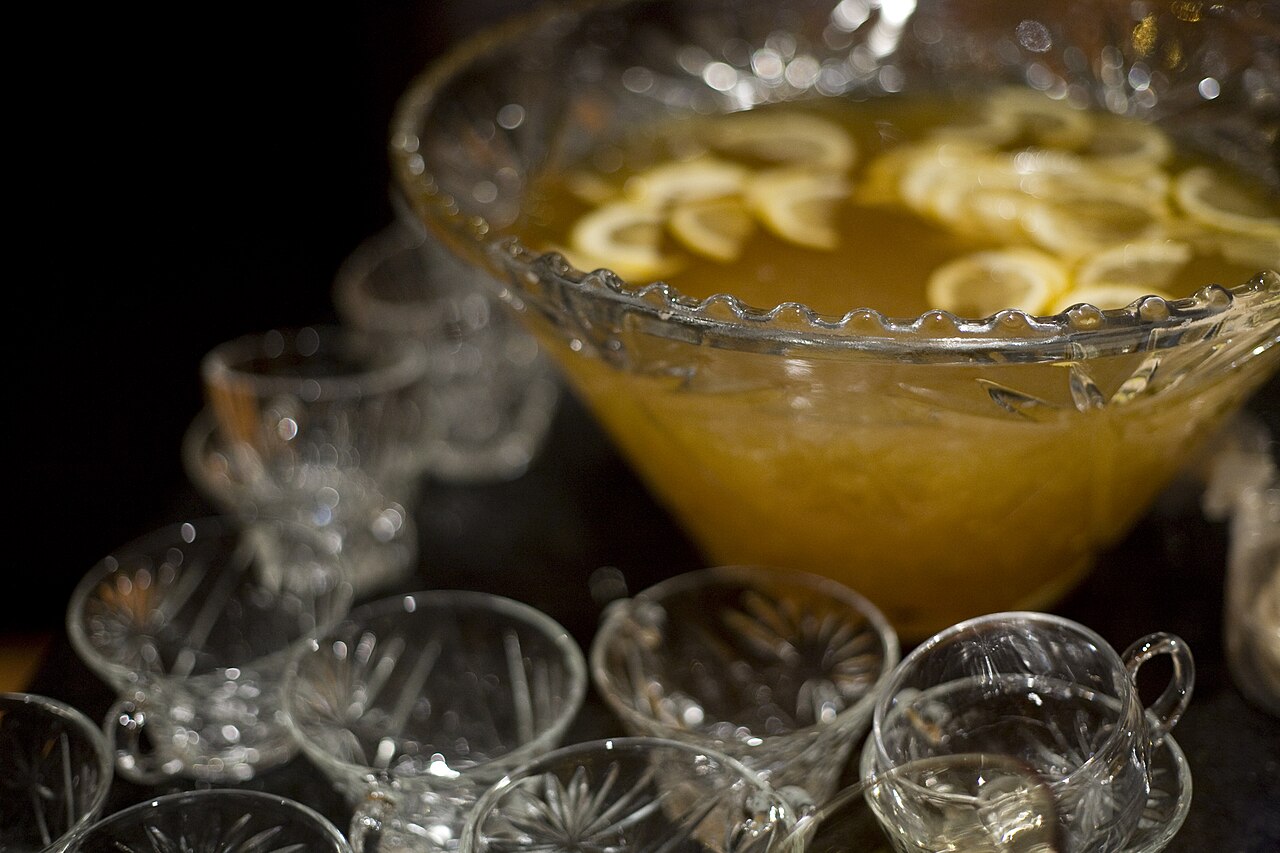
Long before cocktails became a science, and even before the United States declared its independence, a legendary libation was stirring in the heart of colonial Philadelphia: the Philadelphia Fish House Punch. More than just a drink, this potent, sophisticated concoction is a liquid testament to America's nascent social scene, a vibrant echo from the taverns and estates of the 18th century. Its history is as rich and complex as its flavor profile, weaving together tales of exclusive fishing clubs, celebrated historical figures, and the enduring spirit of Philadelphia itself. Join us on a journey through time to uncover the storied origins and lasting legacy of this remarkable American classic.
The Humble Beginnings: A Colonial Concoction
The story of Philadelphia Fish House Punch begins not in a bustling city tavern, but on the tranquil banks of the Schuylkill River. Here, in 1732, a group of prominent Philadelphians, keen on fishing and camaraderie, established the Schuylkill Fishing Company of the State in Schuylkill. Affectionately known simply as the 'Fish House,' this exclusive club, predating even the Declaration of Independence, became the birthplace of what would evolve into one of America's most iconic and enduring beverages.
In the 18th century, punch was the ultimate social lubricant and a staple of colonial hospitality. Served in large communal bowls, it was the perfect drink for gatherings, far more elaborate and often safer than the local water supply. The Fish House members, among the city's elite merchants, lawyers, and landowners, enjoyed their leisure with robust spirits and lively conversation. Their rustic clubhouse, a sanctuary away from the city's hustle, provided the ideal setting for developing a signature drink that reflected their sophisticated tastes and the abundance of available ingredients.
The earliest iterations of what would become the Philadelphia Fish House Punch likely followed the classic "rule of four" for punches: something sour (lemon or lime), something sweet (sugar or syrup), something strong (rum or brandy), and something weak (water or tea). However, the Fish House members had access to some of the finest imported spirits of the age, particularly molasses-based rums from the West Indies and brandies from Europe. The genius of their punch lay in the specific combination and the generous quantities in which it was prepared, designed to fortify and delight a merry company after a day of angling and convivial feasting.
A Recipe Shrouded in Secrecy and Celebration
As the decades turned, the Philadelphia Fish House Punch cemented its reputation, not just for its intoxicating potency but for its refined balance. The original, simpler versions soon matured, embracing a richer, more complex symphony of spirits. While the exact proportions were often guarded secrets within the Fish House walls, passed down through generations of members, the core components became legendary: robust Jamaican rum for its rich, aromatic backbone; fine cognac for depth, sophistication, and a touch of French elegance; and crucially, peach brandy, which imparted a uniquely fragrant, stone-fruit sweetness that set it apart from other punches of the era.
The addition of peach brandy is often cited as the defining characteristic of this particular punch, differentiating it from its Caribbean or European counterparts. Peaches thrived in the fertile lands around Philadelphia, and distillation of peach brandy was a common practice, making it a locally accessible yet luxurious ingredient. This unique component gave the Fish House Punch a distinctly American identity, even while relying on imported spirits.
The punch quickly gained fame beyond the club's exclusive membership. Legends tell of its presence at significant historical events, including a famous reception for George Washington and the Marquis de Lafayette. It’s said that after partaking in the punch, Lafayette famously remarked on its strength, perhaps a testament to its deceptively smooth and palatable nature despite its high alcohol content. The punch wasn't just a drink; it was a symbol of Philadelphia hospitality and a focal point of celebration, a liquid handshake among gentlemen and a toast to enduring friendships. The careful balance of strong spirits, citrus, sugar, and the distinctive peach note made it a timeless classic, a beverage designed to be savored slowly and communally, often poured from a grand punch bowl over a single, large block of ice to ensure slow dilution and sustained chill.
The Enduring Legacy and Modern Revival
Through centuries of change – revolutions, civil wars, and Prohibition – the recipe for Philadelphia Fish House Punch remarkably persevered. It remained a treasured tradition within the Schuylkill Fishing Company, a private indulgence for a select few. Yet, its fame eventually transcended the club's exclusive boundaries, leaking into the broader culinary consciousness and establishing itself as a true American classic. During Prohibition, like many great spirits, its recipe likely went underground, passed discreetly among those who knew and appreciated its historical significance, ensuring its survival into the post-Prohibition era.
In the modern age, as craft cocktail culture blossomed, the Philadelphia Fish House Punch experienced a significant revival. Bartenders and spirits enthusiasts, keen to explore the roots of American mixology, rediscovered its intricate balance and compelling history. It's now celebrated not just for its historical importance but for its sheer deliciousness and ability to gracefully serve a crowd. Its communal nature makes it a perfect centerpiece for parties, gatherings, and festive occasions, allowing hosts to prepare a sophisticated drink in advance and enjoy time with their guests.
Today, you can find variations of this punch on menus in some of the most respected cocktail bars, particularly those with a focus on historical libations or regional American specialties. Its recognition as an essential classic firmly places it alongside other foundational American drinks. For those inspired to craft this historical libation at home, learning the nuances is key. Dive deeper into the artistry of homemade punch and master the techniques that bring this legend to life with our guide on Mastering Philadelphia Fish House Punch at Home. Understanding the role of proper chilling, dilution, and the quality of each ingredient will elevate your homemade punch from good to truly exceptional.
Deconstructing the Classic: Key Ingredients and Their Evolution
Understanding the anatomy of the Philadelphia Fish House Punch is essential to appreciating its brilliance. Each component plays a vital role in creating its harmonious complexity, adhering to the classic punch formula but with a distinct twist:
- Rum: Traditionally, a robust Jamaican rum is preferred. Its rich, funky, and often ester-heavy character provides the foundational strength and signature aroma. Historical context suggests that Jamaican rum was a readily available and highly prized spirit in colonial Philadelphia, making it a natural choice for a premium punch.
- Cognac/Brandy: A good quality French cognac or an aged domestic brandy adds layers of fruit, oak, and spice, elevating the punch beyond a simple rum concoction. The blend of these two strong spirits creates a depth that single-spirit punches often lack, showcasing the sophisticated palates of the Fish House members.
- Peach Brandy: This is arguably the ingredient that truly defines the 'Fish House' character. Authentic peach brandy, often less sweet and more intensely flavored than modern peach liqueurs, imparts a delicate yet unmistakable fruity note that balances the heavier spirits. Sourcing a high-quality, un-sweetened peach brandy is crucial for an authentic flavor profile.
- Lemon Juice: Freshly squeezed lemon juice is paramount. Its bright acidity cuts through the richness of the spirits and balances the sweetness, providing the essential 'sour' element. The quality and freshness of the citrus significantly impact the overall vibrancy of the punch.
- Sugar/Sweetener: Simple syrup (sugar dissolved in water) is typically used to ensure smooth integration, providing the necessary sweetness without grittiness. Historically, fine granulated sugar would have been dissolved directly, but simple syrup offers modern convenience and consistency.
- Water: Crucial for dilution, especially when preparing a large batch. It helps to mellow the high alcohol content and allow the flavors to meld, making the punch more quaffable and inviting. The amount of water, often added from a large block of ice, is vital for achieving the perfect balance over time.
The synergy of these ingredients, combined with proper preparation, creates a punch that is both powerful and remarkably refreshing. The choice of specific brands and the exact ratio can subtly change the character, but the core elements remain sacrosanct. To truly recreate this historic drink with precision, exact measurements and a focus on quality ingredients are crucial. Discover the definitive steps to an historically accurate mix in Your Guide to an Authentic Fish House Punch Recipe, ensuring every sip is a taste of genuine Philadelphia history.
From its origins as a convivial refreshment for an exclusive fishing club to its status as a revered classic in the world of cocktails, the Philadelphia Fish House Punch is more than just a drink; it's a vibrant, potable piece of American history. Its continued popularity testifies to its timeless appeal, a perfect blend of potency, flavor, and tradition. This punch stands as a testament to the ingenuity and refined tastes of colonial Philadelphians, a drink that has witnessed the birth and growth of a nation. So, whether you're a history enthusiast, a cocktail aficionado, or simply someone looking to experience a taste of the past, raising a glass of this storied punch is an invitation to partake in a truly unique Philadelphia legacy.
